

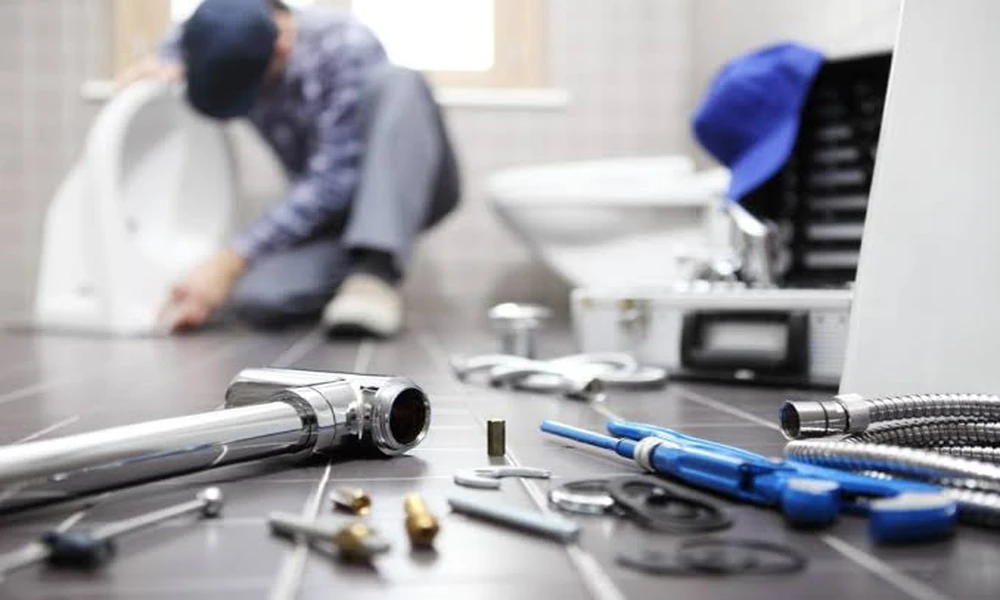
Texas treats plumbing more seriously than most home trades. A handyman can paint, hang doors and patch drywall without any state license, but the moment someone is paid to alter water lines, drains or gas piping, the work falls under the Texas State Board of Plumbing Examiners. The one major exception covers homeowners themselves, since state law allows a property owner to do plumbing on their own homestead. Everyone else who picks up a wrench for pay needs the right license behind them.
That distinction matters a great deal in Mid County, where many houses date back to the refinery boom years and carry decades of patched pipes, swapped fixtures and repairs nobody documented. Damon Young, the responsible master plumber behind Marathon Plumbing, has spent more than 15 years leading a South East Texas team through exactly that kind of housing stock, and homeowners looking for a licensed plumber in Port Neches can reach the crew for everything from drain clogs and water heater repairs to sewer line work and after hours calls.
What follows are the jobs where that license stops being a formality and starts protecting the house, along with a few tasks homeowners can comfortably handle on their own.
The Tank in the Garage Is More Complicated Than It Looks
Water heater replacement is the job most often handed to whoever quotes the lowest price, and it is also the one where shortcuts cause the most trouble. Removing an old tank and setting a new one sounds simple. In practice, a proper installation involves several safety parts that each have a specific job.
- The temperature and pressure relief valve has to be new and correctly rated, because it is the last line of defense if the tank overheats.
- The discharge pipe from that valve must run to a safe spot without being capped, shrunk or routed uphill.
- An expansion tank is often needed when the home has a pressure reducing valve or check valve on the main line.
- Gas units need correct venting and combustion air so exhaust leaves the house instead of drifting back inside.
- Units in garages are typically raised off the floor so the burner sits above fumes from cars and stored fuel.
Most Texas cities require a permit for this work, and the inspection catches problems homeowners would never think to check. When an unlicensed installer skips that step, insurers sometimes question claims tied to the appliance later.
Gas Lines Leave No Room for Guesswork
In Texas, fuel gas piping inside a home falls under plumbing licensing, which surprises a lot of people. Running a new line for a range, adding a connection for an outdoor grill or moving a dryer hookup all count.
The risk is obvious, but the details are where problems hide. Pipe has to be sized for the total demand of every appliance on the line, joints need the right sealant, and the finished system is pressure tested before gas flows. After hurricane seasons like the ones Southeast Texas saw in 2020, plenty of homeowners rushed to connect standby generators, and some of those connections were made by people with no business touching gas piping. A smell of gas near a newly connected appliance is never something to wait out.
Everything Between the House and the Street
The sewer lateral, the pipe carrying waste from your home to the city main, belongs to the homeowner in most cases. In older Port Neches neighborhoods, that line is often clay tile or cast iron, both of which crack, separate at joints and invite roots from mature trees.
Replacing or repairing a lateral involves excavation, correct slope so waste actually flows, proper cleanout access and a connection at the city tap that has to meet local rules. Poorly sloped pipe can hold standing waste and clog repeatedly for years. This is also where camera inspection earns its keep, since it shows whether a slow drain is a simple blockage or a collapsing pipe that no amount of snaking will fix.
Old Pipes Inside the Walls
Postwar homes along the Neches often started with galvanized steel supply lines, which rust from the inside until water pressure fades and brown water appears after the house sits unused. Others were updated to copper decades ago and are now developing pinhole leaks.
Repiping, whether a full house or a single failing run, changes the water supply system and requires a licensed plumber. The same goes for repairs after freezes like the February 2021 storm, when burst pipes in attics and exterior walls left many Southeast Texas homes with soaked ceilings. A patch done quickly by an unlicensed worker might hold, or it might fail behind fresh drywall months later.
Sprinklers and the Water You Drink
Lawn irrigation systems connect directly to the home’s drinking water supply, which creates a real risk. If pressure drops on the main line, water sitting in sprinkler pipes can be pulled backward into household plumbing, bringing fertilizer and soil bacteria along with it.
Backflow prevention devices stop that from happening, and Texas takes their installation and testing seriously. Installing the assembly is licensed work, and testing is done by a certified tester. Homeowners who added irrigation years ago without one, or whose device has never been tested, have a hidden weak point in the water supply that rarely shows symptoms until something goes wrong.
Moving a Sink Is Never Just Moving a Sink
Remodels are where unlicensed plumbing hides best. Shifting a kitchen sink to an island, adding a half bath or relocating a shower drain all involve drain slope, trap placement and venting. Vents are the part most often missed, and without them drains gurgle, traps siphon dry and sewer gas finds its way indoors.
Texas inspections typically happen in stages, with a rough in check before slab or walls close, a top out inspection once lines run through the framing, and a final inspection when fixtures are set. Skipping those stages leaves no record that the work was ever done correctly, which can surface as a problem during a future home sale.
Where Your Own Wrench Is Welcome
None of this means homeowners should call a professional for every drip. Replacing a toilet flapper, cleaning a faucet aerator, swapping a shower head, plunging a stubborn drain and changing a faucet cartridge are all reasonable weekend tasks. Shutting off the main valve during a leak is something every adult in the house should know how to do before an emergency ever happens.
The line usually falls at changes to the system itself. Once a job involves cutting into supply lines, rerouting drains, touching gas or connecting a new appliance that heats water, it moves into licensed territory.
Checking a License Takes Two Minutes
The state makes verification simple. The Texas State Board of Plumbing Examiners consumer information page explains how to look up a company’s responsible master plumber, confirm the license is current and check that a certificate of insurance is on file. Licensed plumbing companies are also expected to display that master plumber’s license number, so a missing number on a truck, invoice or estimate is worth asking about.
A few minutes spent confirming credentials costs nothing. Discovering after a leak or failed inspection that the person who did the work was never licensed tends to cost far more, both in repairs and in the uphill conversation with an insurance adjuster that often follows.