

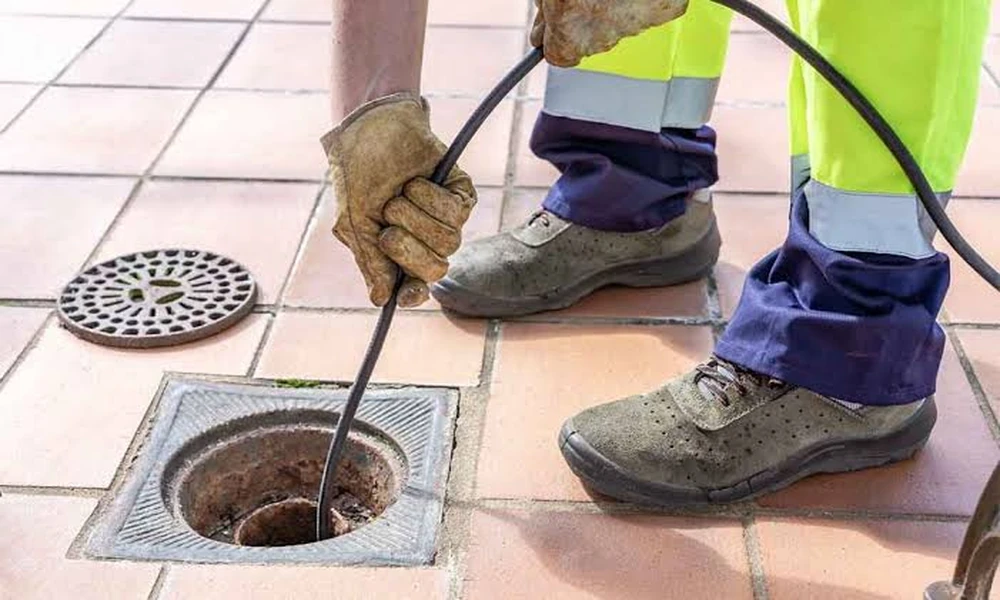
Plumbers can often guess what’s waiting inside a pipe before the cable ever goes in. A slow kitchen sink almost never hides the same mess as a sluggish shower, and a gurgling toilet tells a different story than a laundry tub that overflows on the spin cycle. Each drain in a home handles its own kind of waste, so each one fails in its own way.
That pattern matters more than most homeowners realize. Treating every clog the same way, usually with a bottle of chemical opener, tends to move the problem further down the line instead of removing it.
Technicians who handle drain cleaning in Weslaco see this every week. The family owned crew behind that service usually opens a visit by asking which fixture acted up first, because in South Texas, with slab foundations, long hot summers and mineral heavy water, the answer points straight to the cause.
So instead of a general guide, here is a walk through the house, drain by drain, looking at what builds up in each one and what actually clears it.
The Kitchen Sink Collects What Cooks Leave Behind
Kitchen drains clog from grease more than anything else. Bacon fat, cooking oil, butter and even salad dressing leave the pan as a warm liquid, then cool and harden on the pipe walls a few feet past the trap. Food particles stick to that coating, and over months the opening narrows until water barely moves. Northumbrian Water explains how fats, oils and grease harden as they cool inside pipes, building up over time until the blockage can flood a home.
Hot water and dish soap only carry grease a little further before it sets again. A hand snake can punch a hole through the blockage, yet the greasy lining stays behind and the clog returns. Kitchen lines respond better to a cutting head that scrapes the walls, or to water jetting that washes the residue out entirely.
Garbage disposals add their own trouble. Rice, pasta, potato peels, eggshells and coffee grounds don’t break down so much as turn into a dense paste that settles in horizontal runs.
Bathrooms Fight Hair, Soap and Minerals
Bathroom sinks and showers clog from a mix that is almost the opposite of kitchen waste. Here the usual suspects are
- hair, which wraps around the drain stopper and the pivot rod under the sink
- soap scum, especially from bar soaps made with fats
- toothpaste and shaving cream residue
- mineral scale that roughens the pipe and gives everything else a place to grip
That last item is where local water comes in. Hard water leaves calcium deposits inside drain lines the same way it crusts a showerhead, and those rough patches catch hair and soap far faster than smooth pipe would.
Most bathroom clogs live within a foot or two of the drain opening. Pulling the stopper and clearing the trap fixes many of them. When the slowdown keeps coming back, a small drum auger reaches deeper, and a plumber may check whether the vent above that fixture is blocked, since a choked vent makes even a clean drain run slow.
Toilets Struggle With Things That Never Belonged There
A toilet is designed for one kind of paper. Wipes labeled flushable, paper towels, cotton swabs, dental floss and feminine products don’t break apart the way toilet paper does. They catch in the curved trapway built into the toilet itself or travel on to snag in the main line.
A flange plunger handles most single clogs. A closet auger, made with a protective sleeve so it won’t scratch the porcelain, reaches the trapway when plunging fails. If more than one toilet backs up, or water rises in the tub when a toilet flushes, the problem is no longer the toilet.
Laundry and Floor Drains Carry Lint and Silt
Washing machines dump a lot of water fast, and that water carries lint, pet hair and small fibers from synthetic fabrics. Over time these mat together in the standpipe and the line leaving the laundry room. A mesh lint trap on the discharge hose catches much of it before it ever reaches the drain.
Garage and utility floor drains collect sand, leaves and grit tracked in from outside. They also dry out in summer heat, letting sewer gas escape through an empty trap. Pouring a bucket of water into them every few weeks keeps the seal intact.
The Main Line Ties Every Drain Together
When several fixtures slow down at once, the clog sits in the main sewer line that runs under the slab and out to the city connection. Signs include water backing up into the lowest shower or tub, gurgling from toilets when the washer drains, and a sewage smell near the yard cleanout.
Main lines clog for reasons the indoor drains don’t share. Tree roots find tiny cracks at pipe joints and grow inside, drawn by moisture and nutrients. Clay soil swells in wet weather and shrinks during drought, which can knock older cast iron or clay pipe out of alignment and create low spots where waste sits. Cast iron also corrodes from the inside, leaving rough scale that catches debris.
Clearing a main line usually starts at the outdoor cleanout with a large sectional machine or a jetter. A camera inspection afterward shows whether the blockage was a simple buildup or a sign of cracked, sagging or root invaded pipe that cleaning alone won’t fix.
Why Store Bought Chemicals Rarely Solve It
Liquid drain openers generate heat to dissolve organic material. On a hair clog right below the drain they sometimes work. On grease deep in a kitchen line or roots in a main, they do little except sit in the pipe. Repeated use can soften older plastic joints and pit metal pipe, and anyone who later works on that drain faces caustic water splashing back.
Enzyme treatments are gentler and suit monthly maintenance, though they work slowly and won’t open a fully stopped line.
Small Habits That Keep Each Drain Moving
The best clog is the one that never forms. Pouring cooled grease into a can and tossing it in the trash protects kitchen lines more than any product. Drain screens in showers stop hair before it enters the pipe. Keeping wipes out of toilets spares both the trapway and the main.
Paying attention to which drain slows first is worth the effort, too. A single slow sink is a local nuisance, but several slow fixtures at the same time are the house signaling that the main line needs attention before water starts coming up through the floor.