

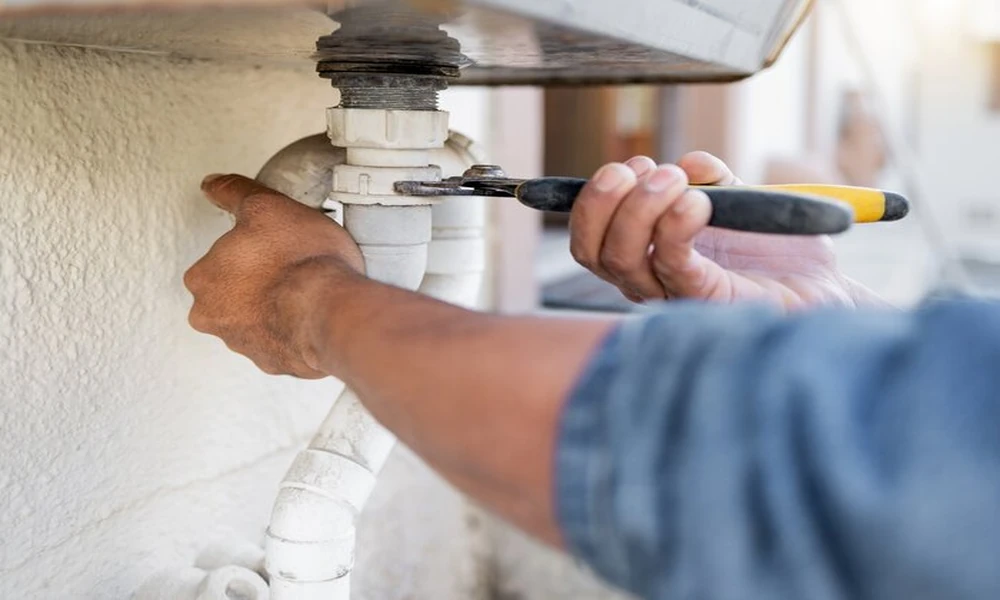
Plumbing problems often begin in one area of a home rather than throughout the entire system. A bathroom may experience repeated leaks, a kitchen may have inconsistent water pressure, or a section of piping may show signs of corrosion. While these issues can be frustrating, they do not always mean every pipe needs to be replaced. For homeowners dealing with localized plumbing deterioration, partial repiping in Orlando may provide a targeted solution that addresses problematic sections while preserving pipes that remain in suitable condition.
Homeowners exploring plumbing replacement options can visit prorepipeorlando.com to learn more about available services. Before deciding whether to replace individual pipes or larger sections of the plumbing system, it is important to understand the condition of the existing materials, the location of recurring problems, and the potential benefits of a carefully planned repair. A professional evaluation can help determine whether a limited replacement is appropriate or whether more extensive work is necessary.
When Plumbing Problems Stay in One Area
Not every plumbing issue affects the entire house.
Some homeowners experience repeated leaks beneath a kitchen sink, while others notice problems in a particular bathroom or laundry area.
These localized concerns may develop because of pipe age, material deterioration, damaged fittings, or previous installation problems.
When the surrounding plumbing remains in good condition, replacing the affected section may be a reasonable option.
However, repeated leaks in different locations can suggest a broader issue.
The important step is identifying whether the problem is isolated or part of a larger pattern before deciding how much piping should be replaced.
Understand the Difference Between Partial and Whole-House Repiping
Partial repiping involves replacing selected portions of a property’s water supply piping rather than the entire distribution system.
The work may focus on a particular room, branch line, or section of piping that has deteriorated.
Whole-house repiping generally involves replacing most or all of the existing water supply lines.
Neither approach is automatically appropriate for every property.
A limited project may be sufficient when damage is confined to a specific area and the remaining pipes are serviceable.
More extensive replacement may be worth considering when deterioration is widespread or multiple sections have recurring failures.
A qualified plumber can explain the advantages and limitations of each approach based on the property’s condition.
Older Pipes May Develop Different Problems
Residential plumbing systems can contain different piping materials depending on when the home was built or renovated.
Copper, CPVC, PEX, and other materials have different characteristics, installation requirements, and potential failure mechanisms.
Over time, certain pipes may develop leaks, corrosion-related damage, brittle sections, or problems at connections.
However, pipe age alone does not establish whether replacement is necessary.
Water chemistry, operating pressure, installation quality, and environmental conditions can also influence performance.
Homeowners should avoid assuming that all pipes of a particular age or material are defective.
An inspection can help identify which sections require attention and whether other parts of the system should be evaluated.
Repeated Leaks Deserve a Closer Investigation
A single plumbing leak may result from an isolated damaged fitting or connection.
However, repeated leaks in the same area can indicate an underlying condition that has not been resolved.
For example, replacing one damaged fitting may not prevent future leaks if the connected pipe has deteriorated.
Recurring failures can also occur when plumbing is exposed to unsuitable pressure, movement, or installation conditions.
Instead of repeatedly repairing individual leaks without further investigation, homeowners should ask whether replacing a larger section would provide a more appropriate solution.
For those considering partial repiping in Orlando, identifying the pattern of failures is an important part of determining the project’s scope.
Water Pressure Changes Can Offer Useful Clues
Low water pressure can make everyday activities inconvenient.
A shower may feel weaker than usual, or several fixtures may deliver less water than expected.
However, pressure problems do not always indicate damaged pipes.
Clogged fixtures, partially closed valves, pressure-regulating equipment, and municipal supply conditions can also affect water delivery.
When the problem occurs in only one area, the cause may be associated with a specific fixture or branch line.
A plumber can evaluate the system and determine whether piping replacement is necessary.
Replacing pipes without identifying the source of the problem may not resolve the underlying issue.
Hidden Leaks Can Affect Walls and Floors
Some plumbing leaks are immediately visible, while others develop behind walls, beneath flooring, or inside concealed spaces.
Homeowners may notice unexplained dampness, water stains, peeling paint, or changes in flooring materials.
A persistent musty odor can also suggest a moisture concern.
The U.S. Environmental Protection Agency encourages homeowners to identify and repair household water leaks to reduce unnecessary water waste.
When a concealed leak is suspected, professional leak detection may be necessary to locate the source without unnecessary demolition.
Addressing the leak promptly can help limit additional moisture exposure and damage to surrounding materials.
Why Orlando Homes Need Careful Plumbing Evaluations
Orlando’s warm, humid climate can make moisture problems particularly troublesome when leaks remain undetected.
However, outdoor humidity alone does not determine the condition of a home’s water supply pipes.
Plumbing performance depends on factors such as pipe materials, water quality, operating pressure, and installation history.
Some properties may also contain plumbing modifications completed during previous renovations.
These changes can create systems with different pipe materials or installation methods in separate areas of the home.
A careful evaluation helps identify existing conditions and determine whether selected sections should be replaced.
Choosing Materials for Replacement Pipes
When replacing damaged water supply lines, homeowners may encounter several material options.
PEX is commonly used in residential plumbing because of its flexibility and installation characteristics.
Copper remains another established option, while CPVC may be suitable for certain applications.
Each material has specific requirements involving connections, temperature limits, support, and compatibility with existing plumbing.
The appropriate choice depends on local code requirements, water conditions, and the property’s installation needs.
Homeowners should ask why a particular material is recommended and whether it is suitable for the intended application.
Material selection should be based on performance requirements rather than cost alone.
Plan for Access and Temporary Disruptions
Repiping work may require access to pipes located behind walls, above ceilings, or within other concealed areas.
The amount of disruption depends on the location of the affected lines and the layout of the home.
Some projects involve limited access openings, while others may require more extensive preparation.
Water service may also need to be temporarily shut off during certain stages of the work.
Before construction begins, homeowners should ask which areas will be affected, how long water interruptions may last, and whether wall or ceiling restoration is included.
Understanding these details can make the project easier to manage.
Know What a Plumbing Estimate Should Include
A detailed estimate helps homeowners understand what work is being proposed.
It should identify the sections of piping to be replaced, the materials being used, and any necessary access work.
Homeowners should also ask about permits, inspections, testing procedures, and restoration responsibilities.
Unexpected conditions may become visible after walls or ceilings are opened.
The contractor should explain how additional work would be evaluated and approved if necessary.
When comparing proposals for partial repiping in Orlando, reviewing the complete scope is more useful than comparing prices without considering what each estimate includes.
Testing Is an Important Part of the Process
Once replacement piping is installed, the system should be checked according to applicable requirements.
Testing helps identify leaks or installation problems before concealed areas are closed.
The appropriate procedures depend on the piping material, system design, and local plumbing regulations.
Connections, fittings, and transitions between new and existing materials deserve particular attention.
Homeowners can ask how the completed work will be tested and whether required inspections will be arranged.
Proper verification is an important step toward ensuring the replacement piping performs as intended.
Maintain the Remaining Plumbing System
Replacing damaged pipes does not eliminate the need to monitor the rest of the plumbing system.
Homeowners should remain attentive to unexplained water pressure changes, recurring leaks, and signs of moisture.
It is also helpful to know where the main water shutoff valve is located.
If the property contains older piping that was not replaced, periodic professional evaluation may be appropriate based on its condition.
Keeping records of completed plumbing work can make future maintenance easier.
These documents can identify which sections were replaced and what materials were installed.
Make Plumbing Improvements Based on Actual Needs
A targeted plumbing project can be a practical option when problems are limited to identifiable sections of the water supply system. However, the decision should be based on a careful evaluation rather than assuming that replacing fewer pipes is always the better choice. Understanding the condition of existing materials, the causes of recurring leaks, and the scope of necessary work helps homeowners make informed decisions.
For homeowners exploring partial repiping in Orlando, Pro Repipe Orlando can help evaluate plumbing concerns and discuss available replacement options. Contact the company to learn more about the inspection process, review potential solutions, and determine whether targeted pipe replacement is appropriate for your home.