

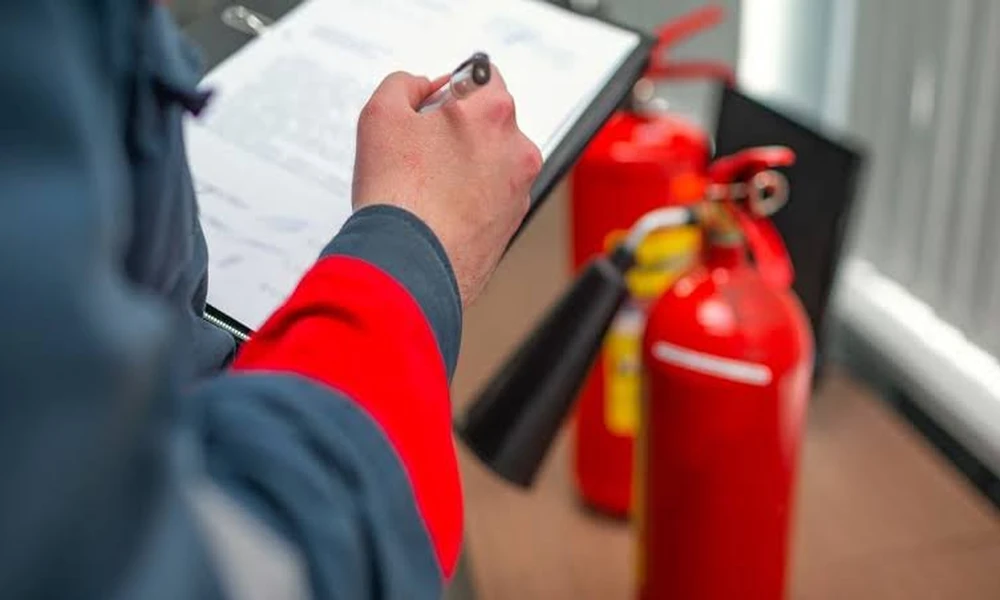
Keeping People Safe When Systems Go Down
Automatic fire alarms and sprinkler systems are designed to work quietly in the background, detecting smoke and suppressing flames before anyone even notices a problem. When those systems fail or are taken offline for repair, that invisible layer of protection disappears, and the building is suddenly far more vulnerable than its occupants realise. A fire watch exists to fill that gap with something automated systems cannot replace on their own: a trained person actively watching the space in real time.
Hiring a professional vendor like The Fast Fire Watch Company ensures that trained guards take over these duties immediately, bringing both the regulatory expertise and round-the-clock availability required to maintain compliance. By mobilizing certified personnel who understand local fire codes and impairment protocols, property managers can avoid costly code violations, potential shutdowns, and legal liabilities. This seamless transition from automated systems to dedicated human oversight provides continuous protection without disrupting daily operations.
Rather than forcing a full evacuation every time a system goes down for maintenance, a fire marshal can approve a fire watch as an alternative that allows a building to remain occupied and operational. This keeps hospitals treating patients, hotels housing guests, and businesses running, while still meeting the underlying safety obligation the fire code demands.
What the Watch Actually Covers
A meaningful fire watch is built around the specific impairment rather than a generic patrol route. If a sprinkler riser is shut down, the guard’s rounds are designed to reach every space that lost suppression coverage. If a fire alarm zone is disabled, the guard effectively becomes the detection system for that area, using sight, smell, and hearing to catch smoke, unusual heat, or damaged equipment before it becomes a fire.
The watch is not limited to the areas occupants use every day. Storage rooms, crawl spaces, mechanical rooms, and other concealed areas are checked as well, since fires can start and smoulder unnoticed in spaces people rarely enter. Personnel also need to know the location of manual pull stations, portable extinguishers, and other protective equipment so they can respond immediately if something is found.
Frequency and Response Expectations
Patrol frequency is not left to guesswork. Residential and high-occupancy assembly spaces often require rounds as often as every fifteen minutes, while commercial buildings are commonly patrolled every thirty to sixty minutes depending on whether the space is occupied. If a patrol turns up smoke, fire, or another abnormal condition, the guard is expected to notify the fire department immediately, alert occupants, and assist with evacuation while continuing to monitor the situation.
This immediate human response is what makes fire watch different from a passive security presence. It is built specifically around fire behaviour and life safety, not general property protection.
When the Watch Can End
A fire watch remains active until the impaired system has been fully repaired, tested, and verified as operational, and the fire department has been notified of the restoration. Ending the watch early, even if repairs appear complete, leaves a building exposed during the window before verification, which is why most codes place the responsibility for termination squarely on the building owner or their designated coordinator.
Final Thoughts
Occupied buildings depend on layered protection, and fire watch is the layer that steps in exactly when automated systems cannot. By combining structured patrols, trained observation, and immediate response capability, a fire watch allows life to continue inside a building even while its fire protection systems are temporarily compromised, without asking occupants to gamble on the outcome.