

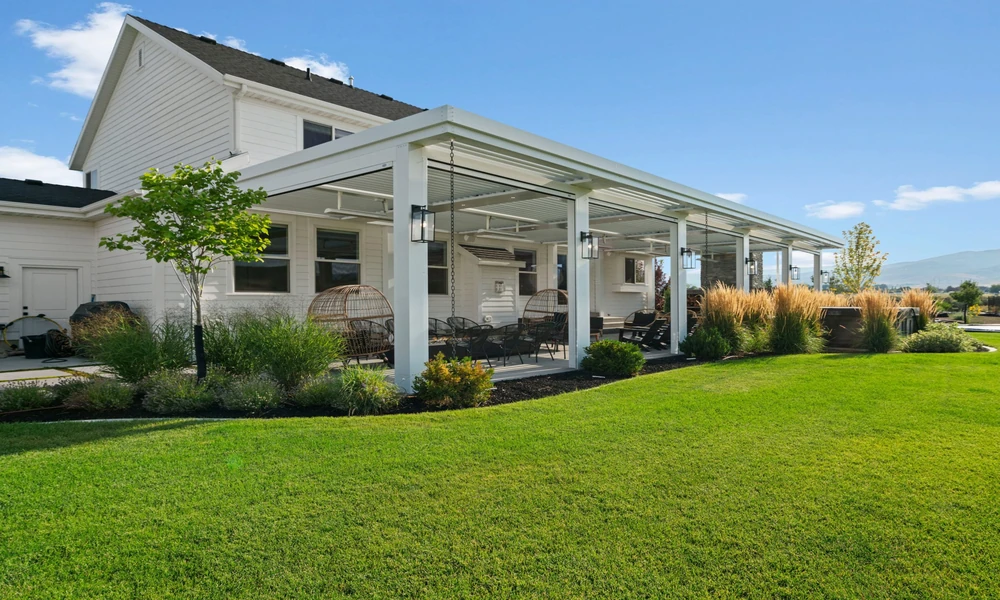
Introduction
It’s necessary to determine where a pergola is needed and practical. It should be mentioned that a pergola needs to be installed on a solid surface. A pergola serves two purposes simultaneously. Along with carrying wind and water pressure on top of an area where you will be sitting with people, it changes the feel of that outdoor area. This article explains what you need to know before building a pergola at your home.
Taking the time to gather accurate local information and core details to Know Building Pergola Phoenix residents rely on can prevent costly structural issues down the line. Factoring in regional considerations-such as intense sun exposure, extreme desert heat, and local municipal permit requirements-ensures your structure remains safe, durable, and comfortable. By establishing a clear vision for your layout early on, you can select materials and design features tailored to your specific climate and backyard space.
Deciding the style of the roof
- Gable: The traditional roof with peaks provides the best ceiling height below the roofline, looks good with most house styles, and sheds water effectively. This is the most popular configuration.
- Skillion: This is a standard slope with a single pitch. If you want to divert water away from your home and attach against a current wall, this low-profile, modern design is ideal. It is also easier to frame than a gable.
- Flat: This is constructed with a small drainage drop, which is typically one to two degrees. It has a modern appearance and feels like a ceiling beneath it. The fall is small enough that any gutter can get congested quickly. So stay away from extremely rainy areas.
Finishes and materials
The choices that significantly affect the pergola’s appearance are:
- Color of the frame: The default color is natural timber. For an additional cost per square meter on the pergola footprint, you can select a classic color (Monument, Surfmist, Woodland Grey, etc.), and you can paint the posts, columns, and roof rafters to match the color.
- Downpipes and gutters: These used to be optional, but they are now standard for all pergolas. Painted in a way to match the roof or siding, it has a downpipe that sends water to a stormwater outlet.
When are tall pergolas needed?
A typical pergola is 2.7 meters high. As the wind load predictions keep changing, the foundations must be deeper, the beams must be heavier, and the labor to set up at this height takes a long time.
Tall pergolas can be suitable if:
- You are interested in including a fan with good wings that won’t produce much noise.
- You need a strong line of sight even from the interior of your home.
- If the house behind yours has a tall gutter system, then your pergola might look narrowed.
If you don’t need any of these, choose the one with 2.7 meters and use the money for additional accessories or the roof.
Common upgrades that should not be missed
- Ceiling fan: The biggest summertime comfort upgrade under your pergola.
- Weatherproof insulators: One is required for the speaker, one for a standard fan, and one for the hanging lights (if you have any of these in your pergola).
- One side privacy slat screen: Transforms a pergola into a real outdoor space with privacy.
- LED lighting: Helps to keep the spot illuminated in the evening or at night.