

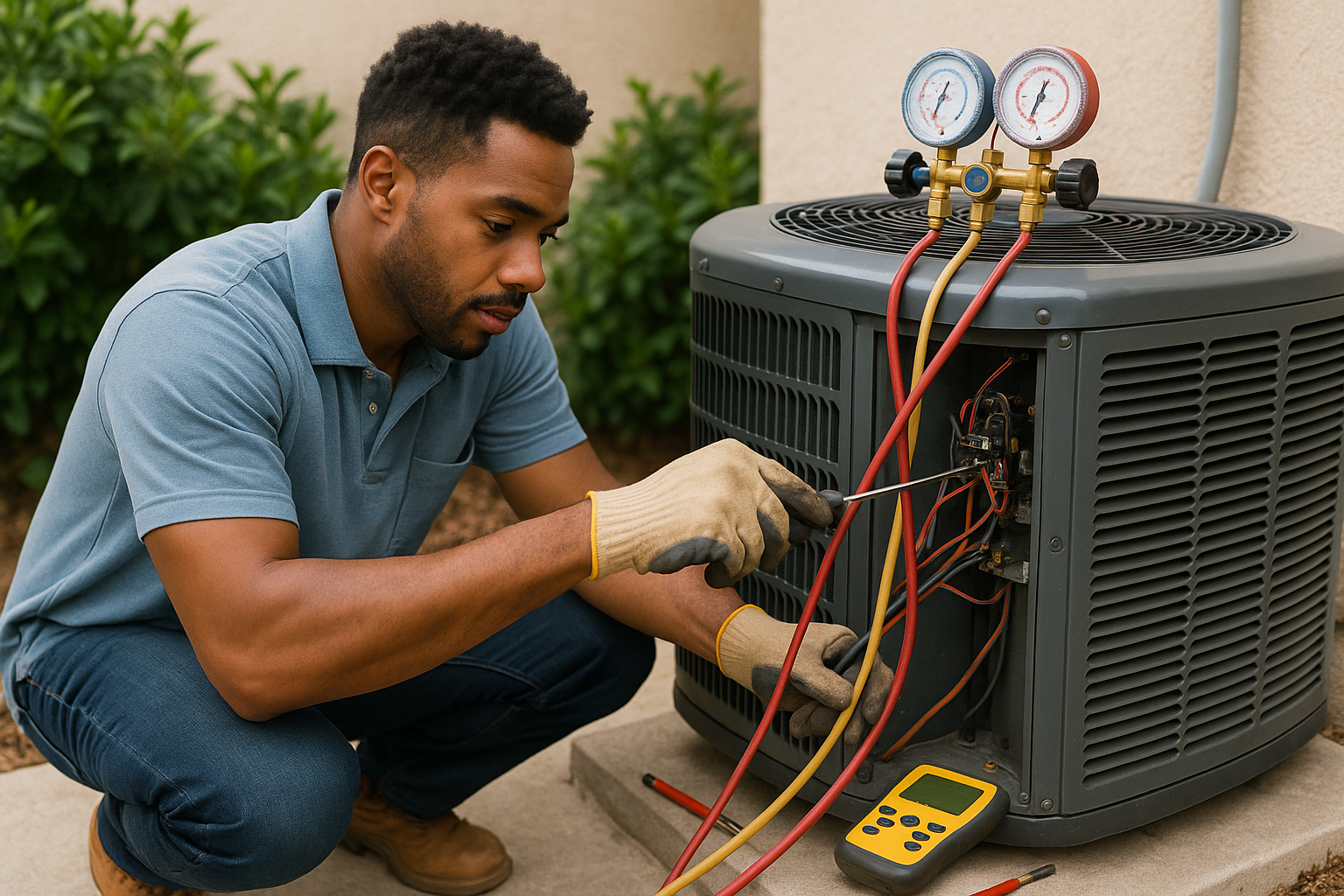
A comfortable home depends on more than good insulation and well-sealed windows. Your heating and cooling system plays a major role in maintaining indoor temperatures, controlling humidity, and keeping the air circulating throughout your living space. When something goes wrong, professional HVAC repair can make the difference between a minor inconvenience and an expensive system breakdown.
Whether your air conditioner stops cooling during summer or your furnace struggles to heat your home in winter, recognizing problems early can save time, money, and frustration. Understanding how HVAC systems work, what causes common failures, and when to contact a professional helps homeowners make better maintenance decisions.
Why Timely HVAC Repair Matters
Heating, ventilation, and air conditioning equipment operates through a combination of electrical components, mechanical parts, and temperature controls. Even a small malfunction can affect the performance of the entire system.
For example, a failing capacitor might prevent an air conditioning compressor from starting properly. A clogged air filter can restrict airflow, forcing the system to work harder than necessary. Over time, these seemingly minor issues may contribute to more serious damage.
Scheduling HVAC repair as soon as unusual symptoms appear can prevent additional wear on expensive components. It may also improve energy efficiency, restore indoor comfort, and extend the equipment’s operational lifespan.
Delaying repairs rarely makes mechanical problems disappear. In many cases, the longer a damaged component continues operating, the greater the risk of additional complications.
Common Signs Your HVAC System Needs Repair
Not every heating or cooling problem results in a complete shutdown. Sometimes, your equipment continues running while gradually losing efficiency.
One of the most noticeable warning signs is inconsistent temperature. You might find that certain rooms remain uncomfortable even though the thermostat is set correctly. This could indicate restricted airflow, ductwork problems, or malfunctioning system components.
Unusual noises are another common warning. Grinding, rattling, squealing, or banging sounds may indicate loose parts, worn bearings, or problems with the blower motor.
Other symptoms worth investigating include:
• Weak airflow coming from supply vents.
• Unexpected increases in electricity or heating bills.
• Frequent cycling between operating and shutting down.
• Unusual odors when the system starts.
• Water accumulating around indoor equipment.
• A thermostat that does not respond correctly.
These symptoms do not always indicate major damage. However, arranging a professional HVAC repair inspection can help identify the underlying cause before the problem becomes more expensive.
Air Conditioning Repair: Restoring Reliable Cooling
Air conditioners work by transferring heat from inside a building to the outdoor environment. This process depends on refrigerant circulation, proper airflow, electrical controls, and functioning compressor components.
When an air conditioner stops producing cool air, homeowners sometimes assume the entire unit needs replacement. Fortunately, many cooling problems can be repaired without installing new equipment.
Common causes include dirty condenser coils, faulty capacitors, refrigerant leaks, damaged fan motors, and malfunctioning thermostats.
Professional technicians can inspect the system, test electrical components, evaluate refrigerant conditions, and determine which repairs are necessary.
One important consideration is refrigerant leakage. Simply adding more refrigerant without identifying the leak does not solve the underlying problem. Proper diagnosis and repair are essential for restoring dependable cooling performance.
Heating System Problems Should Never Be Ignored
A heating system that struggles to maintain comfortable temperatures can be particularly concerning during colder weather.
Furnaces and heat pumps experience different mechanical challenges, but both require regular attention.
A furnace may develop ignition problems, dirty burners, faulty sensors, or blower motor failures. Heat pumps can experience reversing valve issues, defrost control problems, and electrical malfunctions.
Professional HVAC repair helps determine whether a heating problem involves a relatively simple component replacement or a more complicated mechanical failure.
Safety is especially important with fuel-burning heating equipment. Problems involving combustion, ventilation, or potential carbon monoxide exposure require immediate professional attention. If a carbon monoxide alarm sounds, occupants should leave the building and contact emergency services.
Repair or Replace? Making the Right Decision
One of the most common questions homeowners ask is whether they should repair their existing HVAC system or invest in a replacement.
There is no universal answer. The best decision depends on several factors, including equipment age, repair cost, maintenance history, and overall efficiency.
A relatively new system experiencing an isolated component failure may be an excellent candidate for repair. Replacing an entire unit because of one damaged part could create unnecessary expenses.
However, an older system requiring frequent repairs may become increasingly expensive to maintain. If replacement components are difficult to obtain or energy consumption remains unusually high, installing newer equipment might provide better long-term value.
A qualified technician should explain the available options rather than automatically recommending the most expensive solution.
Companies such as The Heating Cooling Doctor can help homeowners evaluate heating and cooling concerns and understand appropriate service options.
How Preventive Maintenance Reduces Repair Costs
Although unexpected breakdowns cannot always be prevented, routine maintenance can significantly reduce the likelihood of avoidable equipment failures.
Air filters deserve particular attention. Dirty filters restrict airflow and may contribute to overheating, frozen evaporator coils, and reduced efficiency. Depending on the filter type, household conditions, and manufacturer recommendations, filters should be inspected regularly and replaced when necessary.
Outdoor air conditioning units also need adequate airflow. Leaves, grass clippings, and other debris can accumulate around condenser equipment and interfere with heat transfer.
Professional maintenance typically includes inspecting electrical connections, checking operating conditions, cleaning appropriate components, and evaluating system performance.
Scheduling inspections before peak heating or cooling seasons can help identify potential problems while the equipment is still operating.
Preventive maintenance is not a guarantee against breakdowns, but it can reduce unnecessary strain and make unexpected repairs less likely.
Choosing a Professional HVAC Repair Service
Selecting the right technician is just as important as recognizing the problem.
Heating and cooling equipment contains electrical components, pressurized refrigerant circuits, and, in some systems, combustible fuels. Diagnosing these systems requires technical knowledge and appropriate equipment.
A dependable HVAC repair provider should offer clear communication, explain the diagnosis, and provide an understandable estimate before performing substantial repairs.
Experience with your specific equipment type also matters. Residential air conditioners, gas furnaces, ductless mini-splits, and heat pumps can require different diagnostic procedures.
Homeowners should also consider licensing requirements, insurance coverage, service warranties, and the company’s approach to customer support.
Rather than choosing a contractor based entirely on the lowest advertised price, consider the quality of the inspection and the clarity of the recommended repairs.
Can HVAC Repair Improve Energy Efficiency?
Yes, particularly when an existing malfunction causes the equipment to consume more energy than necessary.
A struggling blower motor, restricted airflow, or malfunctioning control system may cause longer operating cycles and inefficient performance.
Correcting these problems can help restore the system closer to its intended operating conditions.
However, HVAC repair cannot automatically make outdated equipment as efficient as a modern high-efficiency system. The improvement depends on the specific fault, equipment condition, and installation quality.
For many homeowners, repairing a functional system and maintaining it properly remains a practical and economical choice.
Final Thoughts: Protect Your Comfort and Your Investment
Your heating and cooling system is one of the most important mechanical installations in your home. Keeping it operating properly supports indoor comfort, manageable energy costs, and dependable performance throughout the year.
The key is paying attention to early warning signs instead of waiting for a complete breakdown.
Professional HVAC repair, combined with regular maintenance and sensible equipment care, can help homeowners avoid unnecessary expenses and extend the useful life of their systems.
Whether you are dealing with inconsistent cooling, unusual furnace noises, or declining efficiency, addressing the problem promptly is usually the smartest first step toward restoring a comfortable home.