

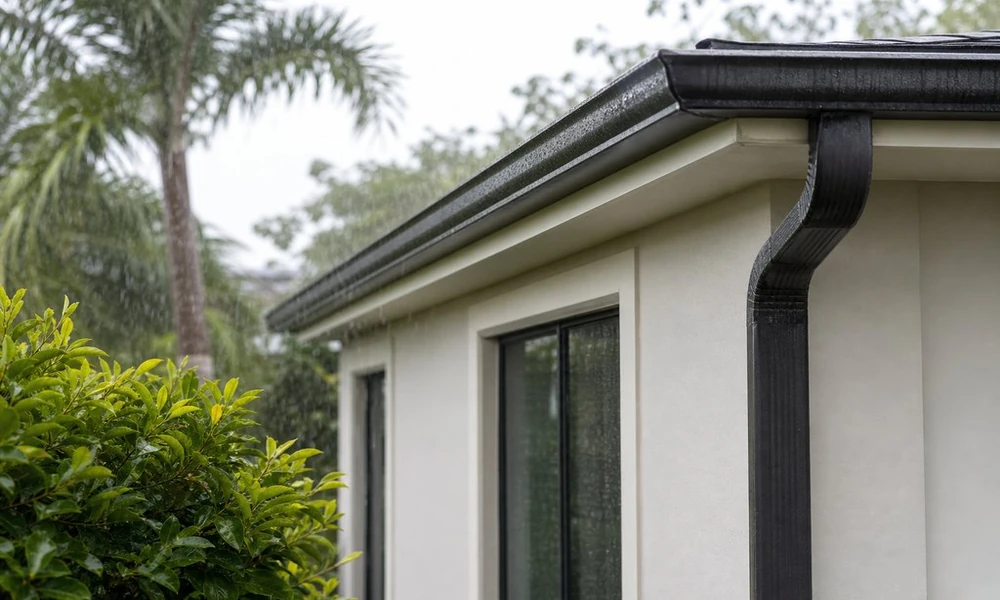
Many remodeling issues stay hidden during the drier months, only to announce themselves on the first rainy afternoon of the year. Remodeling a home in Oakland Park means designing for more than beauty and comfort. It also means accounting for heat and humidity, for wind-driven rain and for sudden downpours.
Remodeling jobs that make the most sense focus on certain areas of a home that tend to cause trouble in wet weather. Here’s a rundown of some useful Oakland Park home improvement projects that make sense to complete before the skies open up.
Start With the Path Water Takes
As with plot in fiction, order is one of the elements that can make or break a remodeling plan. A thoughtful remodel considers how water flows through and around the house, which exterior openings show signs of weakness, and where appliances should be placed to improve comfort and functionality. For homeowners planning remodeling in Oakland Park, these practical details are essential to creating a home that performs well even on hot, muggy days.
It’s wise for Oakland Park homeowners to walk through their home after a downpour to pinpoint areas where drips appear on ceilings, where water pools around patios, where new stains surface or where rain manages to get inside. The following projects address common problem areas for many homes:
- Flat roofs. Low-slope roofs can pose problems when it’s time to pinpoint the source of a ceiling stain. Water that infiltrates the roofing can travel a great distance from the seam in your ceiling that announces the problem. Leaky roofs may suffer from failing flashing, clogged drains or weak spots where the structure changes elevation. Vent penetrations are another source of leaks. Pinpoint the source of the moisture before tearing out stained drywall and painting. Inspect sheetrock, insulation and framing and replace any that’s been damaged. If the water’s made this far a number of times, you might want to explore the option of using moisture-resistant sheetrock and framing in and around your repair.
- Laundry areas. Laundry rooms are cramped quarters in many a home. Add the heat emitted by working appliances to our naturally humid climate and it’s no wonder this small room can pose some challenges. Drips from faulty supply lines and unexpected overflows from washing machines can wreak havoc on regular cabinets and many kinds of flooring materials. Particle board swells and flooring can soften when they come into contact with water. Once they’ve been wet, they can be slow to dry and can trap musty odors. Remodel your laundry room using moisture-resistant cabinets around your appliances and the plumbing hookups that supply and drain them. Tile floors with resilient grout outlast other kinds of flooring materials when they do get wet. Plan the layout of your laundry area so shutoff valves remain accessible and so a technician will be able to slide the washer out when needed, instead of through your cabinets or your drywall. Check this out.
Patios Must Direct Water Away From the House
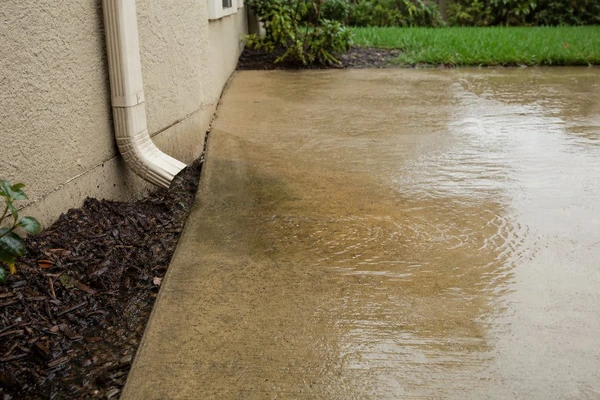
- Patios. Water that collects next to the house can discolor finishes, stain threshold areas or seep into spots that are better off staying bone dry. Correcting these conditions may require re-sloping the patio, replacing broken areas with new materials or adding some drainage. You may also find it helpful to rework transitions at doors. Plan how water should flow over your patio by considering where it’s coming from, where it wants to go and the grades in the landscape nearby. If you’re replacing windows or doors on this side of the house, consider impact-rated options that will offer some measure of protection from wind-driven rain – if you want the source, it’s https://www.ipcc.ch/report/ar6/wg1/chapter/chapter-11. Impact windows and doors also provide an opportunity to refresh worn weather seals, thresholds and windowsills. Heights at doors may factor into discussions about the level of your patio, so it’s best to think about these projects together.
Kitchen Ventilation and Materials Need Equal Attention
- Kitchens. Poorly-vented kitchens can feel swampy after preparing dinner. Humidity from cooking as well as from dishwashers and other appliances can discolor and damage cabinet finishes and leave kitchen surfaces feeling tacky. A kitchen remodel presents an opportunity to improve ducting from the cooktop, improve air circulation in general, and to explore cabinet materials that put up with moisture better than others. Cabinets at the sink or at a dishwasher benefit from water-resistant materials. So can cabinets built into an outside wall, which may be prone to condensation on certain days and are sometimes susceptible to hard-to-see leaks.
Complete Practical Repairs Before Cosmetic Finishes
Few of the improvements discussed above fall into the cosmetic category: New roofs, windows, doors and patios improve curb appeal while leveling out a patio, replacing windows or updating laundry hookups improves livability in many ways. In each situation, it pays to address practical improvements first, before re-surfacing your patio with gorgeous pavers (over the same broken slopes), before installing gorgeous new cabinets or before patching that stained ceiling. Exterior projects also tend to require permitting and take some doing to coordinate, so they make good sense to tackle earlier on, before the rains of summer reach their unpredictable peak.